1. Make the call
When you call Cottonwood Biohazard Cleanup Help, you get plain questions about what spilled, how much, where it went and who has been near it. The answers shape the plan.
Cottonwood, ID · Idaho County
Did responders finish at a Cottonwood spill and leave you with the cleanup? Call (877) 812-4220. Hazmat cleaners contain the release, remove soaked soil and materials, clean surfaces and set up lawful disposal.
If anyone is in danger, call 911 first. For a suicide crisis, call or text 988.
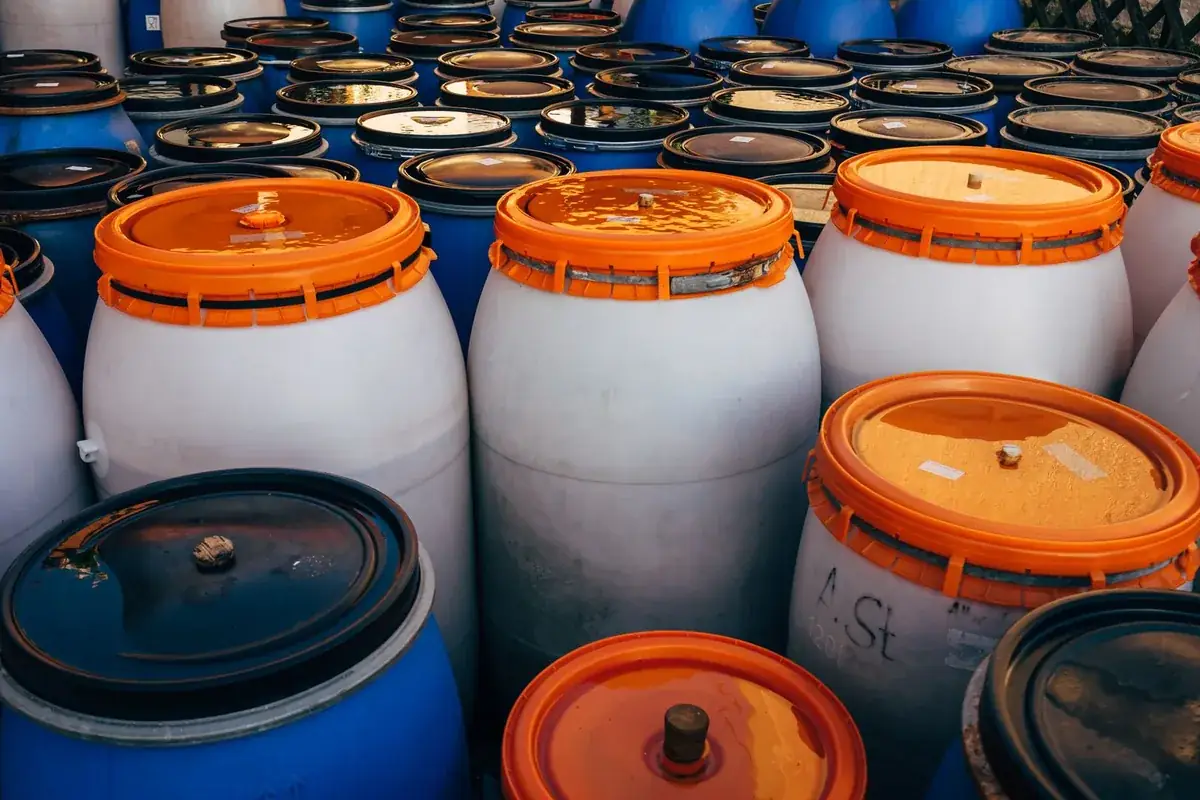
A hazmat is any material that poses a risk to health, safety or the environment. Hazmat cleanup is the work of removing that risk from a site by containing, collecting and disposing of the material.
When your Cottonwood property needs hazardous clean up, you get a team with the gear, absorbents and containers to finish the job. Call Cottonwood Biohazard Cleanup Help in Idaho County for plain answers and clear documentation.
Idaho County has a Relatively Low river flood risk rating from FEMA, but a leak near a ditch or storm drain can still carry hazardous materials off a property. July highs in Cottonwood average about 81 degrees, which is milder, but old containers can still crack and leak with age and weather.
Hazmat Cleanup in Cottonwood usually includes:
When you call Cottonwood Biohazard Cleanup Help, you get plain questions about what spilled, how much, where it went and who has been near it. The answers shape the plan.
The team checks labels, placards, safety data sheets and the history of the site. If the substance is unknown, it is treated as hazardous until identified.
The material and the contaminated items are removed. Surfaces, tools and vehicles that touched it are cleaned to a safe condition.
Surfaces and equipment are cleaned with methods suited to the material. Waste is labeled, sorted by type and hauled by the rules that apply.
Expect hazmat cleanup in Cottonwood, ID to cost roughly $4,000 to $40,000, with the final price set after an on-site assessment.
Size and spread matter. A spill on sealed pavement is less work than one that soaked into soil, gravel or porous materials, and more material means more labor and more waste.
| Type of job | Typical range |
|---|---|
| Initial cleanup and containment | $6 - $20 per square foot |
| Small to mid-size spaces | $4,000 - $40,000 |
Figures are planning ranges from One and Done Prep, not a price for any specific Cottonwood property. Price drivers include type of contaminant, square footage, containment setup, waste disposal. Call (877) 812-4220 any hour.
Biohazard usually means materials that carry germs, such as blood and body fluids. Hazmat means materials that are dangerous in other ways, such as chemicals, fuels and gases. Some jobs involve both. A local team can explain which applies to your situation.
Yes. Floods and fires can break containers and mix contents. Crews identify what spilled, contain it and remove damaged containers and soaked materials. They also clean the surfaces the release touched.
Yes. Many calls come from managers who find chemicals or leaking containers in a vacated unit. The lease and local law decide who pays, and the crew can provide photos and records.
Wear gloves and eye protection if the label says so, never mix products and keep containers closed. Leave unknown or leaking materials alone and call a professional. A cleanup team can pack and haul the waste lawfully.
Crime scene crews mainly use detergents and EPA-registered disinfectants against germs, not harsh industrial chemicals. Hazmat crews choose products to match the hazardous material instead. Products are never mixed, and labels set the contact time.
Waste is sorted, labeled, packed and hauled by the rules that apply to its type. It does not go in the regular trash or down a drain. Ask the team how its waste is hauled and disposed of, and ask for records at the end.
Day or night, the call starts with safety.
Call (877) 812-4220